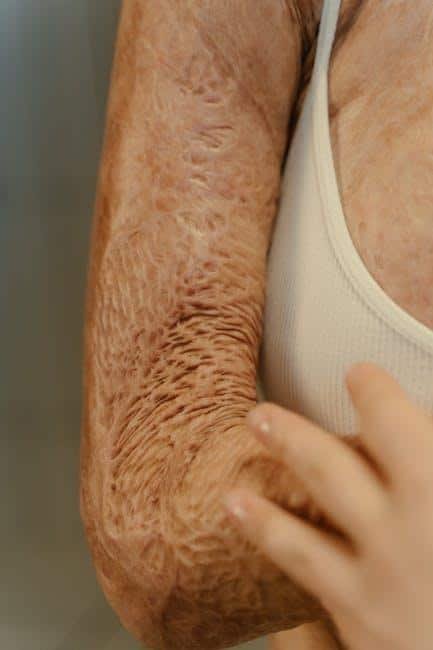
Every scar tells a story, and every story holds the power to heal. Trauma leaves marks not only on our skin but deep within our hearts and minds, often making the path to recovery feel long and lonely. But in the midst of pain, something beautiful can emerge – art. Whether it’s through painting, music, writing, or movement, creative expression offers a unique sanctuary where wounds can begin to mend. In this article, we’ll explore how art transforms trauma recovery, turning silent suffering into vibrant courage and helping survivors reclaim their voices, their peace, and ultimately, their lives.
The Power of Creative Expression in Unlocking Emotional Healing
When words fall short, art speaks volumes. Creative expression allows us to confront and convey emotions that often remain buried deep within the psyche. Through drawing, painting, writing, or any form of artistic outlet, individuals can safely explore trauma’s complex landscape without fear of judgment or misunderstanding. This process not only externalizes pain but also fosters a profound sense of ownership and control over one’s healing journey. The act of creation becomes a sanctuary, where vulnerability transforms into strength and chaos into clarity.
Engaging with creative practices activates different areas of the brain, unlocking pathways to emotional resilience. It encourages mindfulness and self-reflection, bringing unconscious feelings to light while nurturing hope and empowerment. Some of the powerful benefits include:
- Emotional release: Safely vents feelings that are difficult to articulate.
- Self-discovery: Reveals inner truths and hidden aspects of trauma.
- Connection: Builds bridges between the self and others through shared symbolic language.
- Renewed identity: Helps reconstruct a positive sense of self beyond pain.
Art’s transformative power is not only a therapeutic tool but an enduring testament to the human spirit’s ability to rise from wounds and reclaim hope.
How Different Art Forms Help Navigate and Process Trauma
Art serves as a powerful conduit for emotions that words often fail to express. Through painting, drawing, and sculpting, individuals can externalize their pain, giving visible form to internal chaos. This physical act of creation allows for a release that transcends verbal language, offering a safe space to confront and process feelings like grief, anger, and confusion. When the brush touches the canvas or clay bends beneath the hands, it becomes a dialogue between the experience and the expression-an intimate journey where wounds can begin to mend through the very act of making.
Beyond the visual arts, forms like music, dance, and creative writing hold unique power in trauma recovery. Music’s rhythm can soothe frayed nerves, while dance reconnects one with the body, reviving a sense of control and groundedness often shattered by trauma. Writing unlocks the narrative locked in the mind, helping to organize fragmented memories and create meaning from pain. Together, these diverse art forms become essential tools that invite healing through movement, sound, and storytelling-providing pathways to reclaim agency and rebuild hope from the ashes of suffering.
Building a Safe Space Through Art Therapy Practices
Creating an environment where vulnerability is met with compassion becomes the cornerstone of healing. Here, art therapy goes beyond simple expression-it becomes a sacred act of trust. Within these walls, the unspoken finds voice through color, form, and texture, allowing individuals to explore painful memories in a controlled, nurturing setting. This haven diminishes the fear of judgment, replacing it with encouragement and acceptance, which are vital ingredients for emotional safety.
Several elements contribute to this secure creative space:
- Consistent structure: Predictability allows trauma survivors to feel grounded and balanced.
- Empathy-driven facilitation: Therapists gently guide without directing, honoring personal pace and boundaries.
- Use of symbolic materials: Tools chosen for their soothing textures and colors evoke calmness and invite exploration.
- Privacy and confidentiality: Ensuring that all artistic expressions remain safe and respected reinforces trust.
When these components merge, art therapy becomes a sanctuary where healing is not rushed but unfolds naturally, helping wounds to mend through creativity and connection.
Practical Steps to Incorporate Art into Your Personal Recovery Journey
Begin by creating a dedicated space that invites expression without judgment-a corner filled with paints, sketchpads, or even just a simple journal can become your sanctuary. Set aside regular moments, no matter how brief, to engage with your chosen medium. This ritual not only fosters consistency but cultivates an intimate dialogue with your emotions. Remember, the goal isn’t perfection but presence; allow your colors to bleed freely or your words to flow untamed. Embracing imperfection in art mirrors the acceptance needed in healing, unlocking layers of self-discovery.
- Start small: A few minutes daily can build momentum without overwhelming.
- Use prompts: Focus on themes like hope, fear, or resilience to channel feelings.
- Mix mediums: Combining music, drawing, or writing can deepen emotional release.
- Share selectively: Trustworthy listeners or support groups can celebrate your journey.
Transformation often lives in the process rather than the product. Document your progress through photos or reflections, observing shifts in mood and understanding. Over time, what once seemed like chaotic scribbles will reveal patterns and truths unique to your inner landscape. This evolving art becomes a powerful testament to your strength, a visual and tactile reminder that trauma’s grip loosens when met with compassion and creativity. By welcoming art into your recovery, you foster not only healing but a renewed sense of identity and hope.
In Retrospect
As we’ve seen, art holds a unique power-not just to create beauty, but to restore broken pieces of ourselves that words alone often can’t reach. Healing wounds is never a simple journey, and trauma leaves marks that run deep. Yet, through brushstrokes, melodies, and movement, survivors find a language beyond pain-a place where hope begins to take shape. If you or someone you love is navigating the difficult path of recovery, remember that art can be more than an escape; it can be a lifeline, a companion, and a catalyst for transformation. In the quiet act of creation, resilience blossoms, and the heart learns to heal, one fragile step at a time.