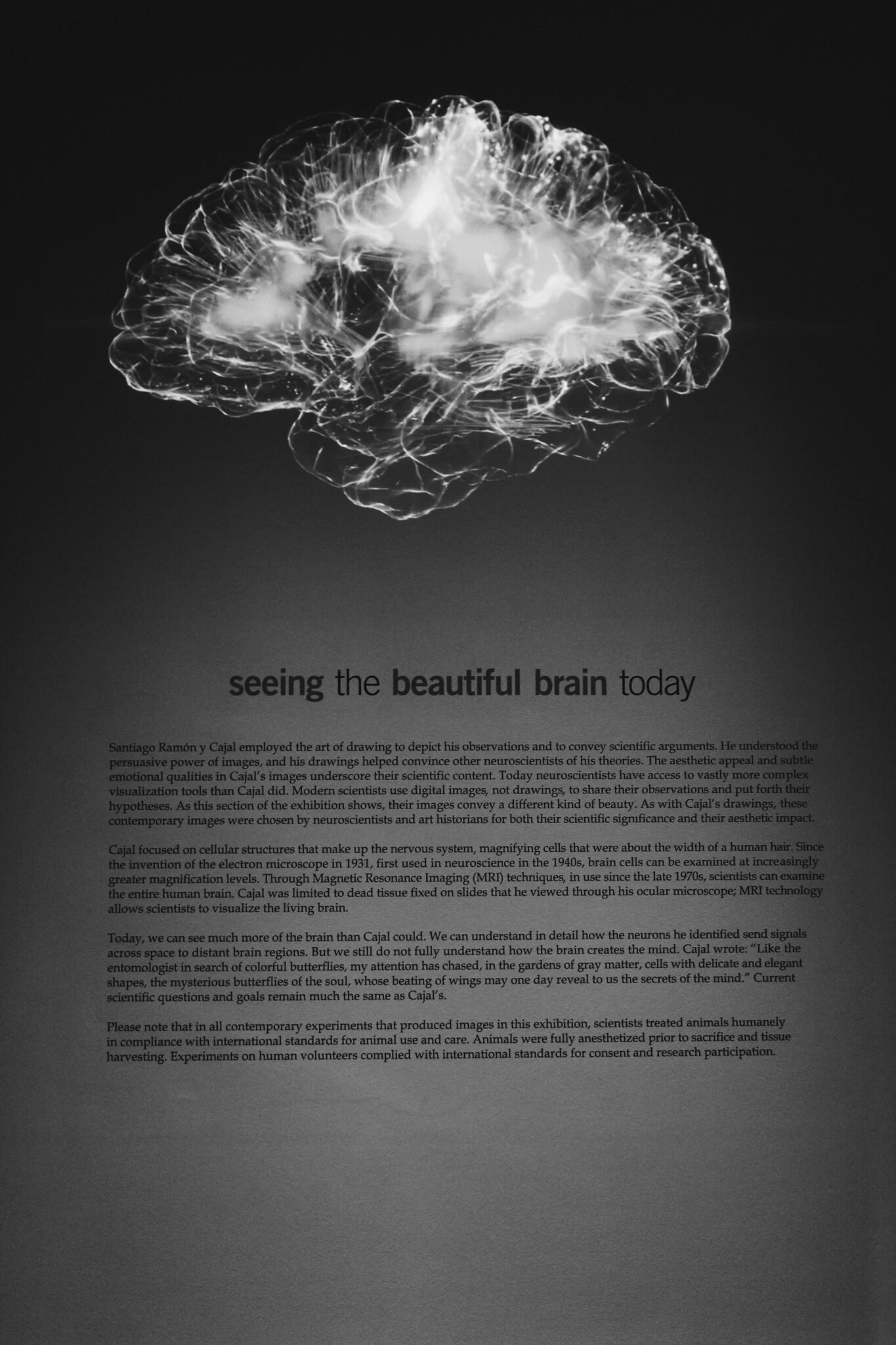
Every scar tells a story, but what if the story doesn’t have to end there? Our brains, once thought to be rigid and unchangeable after childhood, are now known to be marvelously adaptable-capable of rewiring themselves in ways that can heal wounds much deeper than the skin. This incredible ability, called neuroplasticity, is reshaping how we understand healing-not just physically, but emotionally and mentally. Whether you’re recovering from trauma, battling chronic illness, or seeking to overcome past pain, the brain’s plasticity offers hope: a promise that transformation is not only possible but within reach. Join me as we explore how neuroplasticity lights the path to recovery, turning what once seemed like permanent damage into a powerful journey of resilience and renewal.
Understanding Neuroplasticity and Its Role in Emotional Recovery
Our brains are not static machines but living, breathing landscapes capable of profound transformation. In the wake of emotional pain or trauma, neuroplasticity serves as the silent architect of healing, reshaping neural pathways to foster resilience and hope. This dynamic rewiring means that painful memories and ingrained negative patterns do not have to define us forever. Instead, the brain’s remarkable ability to adapt allows us to cultivate new, empowering habits and emotional responses that can replace despair with growth and renewal.
Embracing neuroplasticity means embracing change as a natural and essential part of recovery. By intentionally engaging in practices that promote positive neural growth, such as:
- Mindfulness meditation to calm the mind and center emotions,
- Therapeutic journaling to process and reframe experiences,
- Physical exercise to boost brain chemicals linked to mood regulation,
we begin to heal not just the wounds we carry but transform the very structure of our brain. This transformation offers us the profound freedom to write new stories of emotional strength and recovery.
Rewiring the Brain Through Mindfulness and Positive Habits
The brain’s incredible ability to reshape itself is a beacon of hope for anyone seeking transformation. When we consistently engage in mindfulness practices, we activate pathways that encourage calmness, clarity, and emotional resilience. This isn’t just about relaxation-it’s about creating lasting changes within your neural framework. By turning inward and observing thoughts without judgment, you stimulate regions responsible for emotional regulation and self-awareness, slowly weaving new, healthier patterns that replace old habits rooted in stress or negativity.
Integrating positive habits into daily life acts as a catalyst for these neural shifts. Simple yet profound actions such as:
- Regular meditation or breathwork
- Journaling moments of gratitude
- Engaging in physical movement that connects mind and body
- Listening intentionally to uplifting narratives or music
reinforce the brain’s adaptability, inviting growth and healing. Over time, these practices embed themselves within the architecture of your mind, turning fleeting moments of peace into a foundation for lasting emotional well-being. This journey of rewiring isn’t just possible-it’s profoundly transformative, proving that healing begins in the very structure of your thoughts.
Overcoming Trauma by Embracing Change and Growth
Healing from trauma isn’t about erasing what happened, but rather reshaping how our minds respond to it. When we allow ourselves to embrace change, we activate the incredible power of neuroplasticity – the brain’s ability to reorganize itself by forming new neural connections. This transformation doesn’t happen overnight, but with patience and self-compassion, it becomes possible to replace patterns rooted in pain with pathways of hope and resilience.
Practical steps that foster this growth include:
- Mindfulness practices that ground us in the present, reducing the grip of overwhelming memories.
- Therapeutic interventions like cognitive-behavioral therapy that guide us in reframing negative thought patterns.
- Engaging in creative outlets such as art or journaling to externalize emotions and stimulate brain flexibility.
- Building supportive relationships that reinforce safety and encourage new, positive experiences.
Every step taken towards change is a testament to our innate strength. Through the dynamic rewiring of our brains, growth not only becomes possible-it becomes inevitable.
Practical Steps to Harness Neuroplasticity for Lasting Healing
Unlocking the brain’s remarkable ability to rewire itself demands intention and gentle persistence. Start by cultivating mindfulness practices, such as meditation or deep breathing exercises, to quiet the chatter of old, limiting thoughts and create space for new neural pathways. Embrace challenges and novel experiences that push you beyond comfort zones-this stimulates the brain’s plasticity, helping to dissolve entrenched patterns of pain and trauma. Remember, healing is not a race but a dance with your own neurobiology; patience is the invisible thread weaving lasting change.
Here are some guiding actions to integrate into your daily life for transformational growth:
- Consistent journaling: Reflecting on emotions and experiences creates new cognitive frameworks that promote understanding and release.
- Physical movement: Activities like yoga or walking spark neurochemical shifts that enhance mood and memory formation.
- Positive affirmations: Repetitive, empowering statements gently overwrite negative self-beliefs and reprogram the brain’s narrative.
- Seeking connection: Meaningful conversations and supportive relationships trigger brain regions linked to safety and belonging, pivotal for rewiring trauma.
These steps, practiced with consistency and compassion, invite a rewiring of your neural circuits-leading to profound and lasting healing.
Wrapping Up
As we journey through life’s challenges and triumphs, understanding the incredible power of neuroplasticity reminds us that healing is not just a destination-it’s an evolving process. Our brains are resilient, adaptable, and endlessly capable of growth, even in the face of pain and adversity. Embracing neuroplasticity invites us to rewrite our stories, to cultivate new paths of hope and healing, and to trust that transformation is always within reach. So, as you continue on your own journey, hold onto this truth: your mind has the power to change, to heal, and to create a future filled with possibility. Never underestimate the strength you carry inside-that remarkable capacity to heal and grow is your greatest gift.