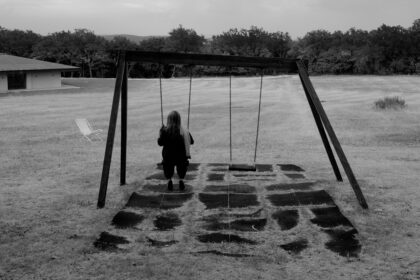
There’s something quietly powerful about childhood-it’s the invisible thread weaving through every thought, feeling, and relationship we carry into adulthood. Those early years, filled with laughter, tears, lessons, and love, don’t just fade away; they become the blueprint of who we are at our core. How we were nurtured, the challenges we faced, and the moments that touched our hearts shape the very architecture of our adult minds and hearts. In this article, we’ll explore the profound ways childhood molds our emotional world, influences our choices, and ultimately guides the way we connect with others long after the playground days are behind us. Because understanding this connection is the first step toward healing, growth, and embracing the fullness of who we’ve become.
Understanding Early Emotional Imprints and Their Lasting Impact
From the moment we take our first breath, the world etches invisible marks upon our souls. These early emotional experiences become the blueprint for how we interpret love, trust, and safety throughout life. A child’s heart, tender and impressionable, absorbs the nuances of parental tone, the warmth of a hug, or the sting of a cold shoulder. These moments, though often subtle and fleeting, accumulate to form deeply rooted neural pathways-pathways that influence our reactions to stress, intimacy, and self-worth long after childhood has faded into memory.
Recognizing these early imprints is essential for healing and growth. It’s not about blaming our past but understanding its shadows on our present selves. Common emotional imprints include:
- Conditional love shaping our need for approval
- Neglected affection leading to fears of abandonment
- Consistent criticism fostering an inner voice of doubt
By unraveling these intricate threads woven into our psyche, we gain the power to transform old wounds into new strengths, rewriting our adult stories with empathy, resilience, and a newfound hope.
Recognizing Childhood Patterns That Influence Adult Relationships
From the earliest moments of our lives, the emotional scripts we inherit and the ways we learn to connect with caregivers become the blueprint for how we engage in intimacy as adults. These childhood imprints can manifest in subtle ways, such as a persistent fear of abandonment, a tendency to people-please, or difficulty trusting others. They often live beneath the surface, quietly guiding decisions like whom we choose to love, how we express affection, or when we instinctually pull away. Recognizing these patterns is a courageous step toward reclaiming agency in our relationships-offering us the freedom to rewrite old stories with compassion and awareness.
Signs to look out for include:
- Repeated attraction to emotionally unavailable partners
- Difficulty asserting personal boundaries
- A compulsive need for approval or fear of rejection
- Self-sabotaging behaviors that undermine closeness
Understanding these emotional echoes not only helps us heal but also fosters deeper empathy for ourselves and the loved ones we choose. With this awareness, we can nurture healthier, more fulfilling connections that honor both our past experiences and our future potential.
Healing Childhood Wounds to Foster Emotional Resilience
The echoes of our earliest experiences often linger in the chambers of our adult minds, shaping the way we perceive ourselves and the world. When childhood wounds go unaddressed, they can manifest as hidden fears, self-doubt, or patterns of emotional vulnerability. Yet, within these scars lies the profound opportunity for transformation. By facing and gently unraveling the pain from our past, we pave the way toward a profound emotional resilience-a strength that doesn’t avoid hardship but embraces growth through it. Emotional healing begins with compassion for our younger selves and a commitment to redefining the narrative that once held us captive.
Building this resilience requires intentional practices that nurture the heart’s capacity to recover and thrive. Some powerful steps toward healing include:
- Mindful reflection: Creating space to acknowledge suppressed feelings without judgment.
- Therapeutic connection: Seeking supportive relationships where vulnerability is met with empathy.
- Creative expression: Using art, writing, or movement as a bridge to access buried emotions.
- Forgiveness: Offering grace, not only to others but to ourselves for perceived shortcomings.
Through these acts, we reclaim the power that childhood pain tried to diminish, transforming old wounds into the foundation of a resilient and empowered self.
Practical Steps to Nurture Your Inner Child for a Healthier Future
Connecting with your inner child is a transformative journey that begins with gentle self-awareness and a commitment to healing old wounds. Start by carving out quiet moments to listen to your emotions without judgment-whether through journaling, meditation, or simply sitting with your thoughts. Embrace activities that once sparked joy, like drawing, dancing, or playing, to rekindle a sense of wonder and creativity. This practice isn’t about escaping adulthood but nurturing the tender parts of you that crave acceptance and love.
Building a supportive environment is equally vital. Surround yourself with people who honor your past and encourage your growth. Establish small rituals that honor your innocence, such as lighting a candle during times of stress or repeating affirmations that affirm your worthiness. Consider these practical steps:
- Daily reflection: Spend five minutes acknowledging feelings tied to childhood memories.
- Creative expression: Dedicate time weekly to paint, write, or engage in any playful craft.
- Boundaries: Learn to say no to toxic influences that silence your true self.
- Seek comfort: Allow yourself safe spaces for vulnerability with trusted friends or professionals.
By embracing these simple yet profound actions, you create a foundation for emotional resilience that honors your inner child and paves the way for a richer, healthier future.
In Summary
As we reflect on the delicate threads woven during our childhood, it becomes clear that who we were then quietly lives within us now-shaping our thoughts, our feelings, and the way we connect with the world. Understanding this journey isn’t just an act of looking back; it’s an invitation to heal, grow, and nurture the parts of ourselves that sometimes still ache or shimmer with joy. Our adult minds and hearts carry the echoes of those early years, reminding us that the stories we tell ourselves about our past can open the door to a more compassionate and empowered future. So, let’s honor the child within, embrace our journey, and keep shaping a life that reflects the love and resilience rooted deep inside us all.